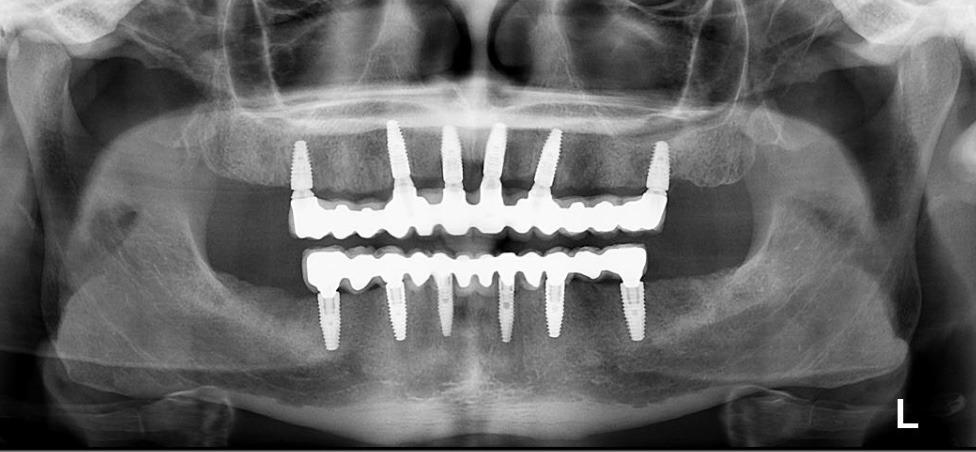
Dental Implant Surgery
Dental implant surgery is an ideal and effective method for replacing missing teeth. In this procedure, metal screw-like posts are inserted into the jawbone to function as artificial tooth roots. The cost of dental implants varies depending on the materials used and the country of manufacture.
To get consultation and more information complete the form
Dental Implant Surgery
Dental implant surgery is an advanced and reliable procedure for replacing missing teeth and restoring both function and aesthetics. In this technique, surgeons place metal posts or screw-like fixtures into the jawbone to serve as artificial tooth roots. These implants are then covered with crowns that look and function just like natural teeth, offering a long-lasting and stable solution for tooth loss.
The implant post, typically made of titanium, is surgically inserted into the jawbone, where it naturally fuses with the bone over time — a process known as osseointegration. This integration creates a strong foundation for the replacement tooth. Below is a detailed overview of the steps, applications, and benefits of dental implant surgery.
Steps of Dental Implant Surgery
1. Consultation and Evaluation
The first step involves an initial consultation with the dentist. During this visit, the dentist performs a thorough examination, reviews X-rays or 3D scans, including OCBT imaging specifically used for oral and maxillofacial surgeries. This advanced imaging provides highly accurate details and helps ensure precise evaluation and planning for implant treatment.
You may be a suitable candidate if:
- One or more teeth are missing.
- Jawbone growth is complete.
- There is sufficient bone density to support the implant (or bone grafting can be done).
- Oral tissues are healthy and free of infection.
- There are no medical conditions that could interfere with bone healing.
2. Tooth Extraction (if needed)
If the damaged or decayed tooth has not yet been removed, extraction is performed either before or during the implant surgery.
3. Bone Grafting (if required)
For patients who have been missing teeth for a long time, bone grafting may be necessary to strengthen the jaw and ensure proper support for the implant. The bone graft may take several months to integrate before the implant can be placed.
4. Implant Placement Surgery
Once the jaw is ready, the surgeon makes an incision in the gum to expose the bone. A small hole is drilled, and the titanium implant post is inserted into the jawbone. This post acts as the root of the new tooth. Healing and bone integration take about 3 to 9 months, during which the implant becomes firmly anchored in place.
5. Abutment and Temporary Crown
After the implant has fused with the bone, an abutment (a connector piece) is attached to the implant post. This abutment supports the final crown. A temporary crown may be placed while the permanent one is being prepared.
6. Impression and Crown Fabrication
The dentist takes an impression (mold) of your teeth to design a custom crown that matches your natural teeth in shape and color. This process typically takes about 5–10 days.
7. Placement of the Permanent Crown
Finally, the permanent crown is attached to the abutment. Depending on the case, crowns may be fixed (non-removable) or removable.
Applications of Dental Implants
1. In Orthodontics
In orthodontic treatments, temporary implants can serve as anchorage devices to help move teeth into their proper positions.
2. For Damaged or Missing Teeth
Dental implants are ideal replacements for teeth lost due to trauma, decay, or infection, restoring both aesthetics and function.
3. To Fill Gaps Between Teeth
Implants can fill spaces caused by missing teeth, preventing bone loss and maintaining the alignment of surrounding teeth.
Benefits of Dental Implants
- Permanent and natural-looking tooth replacement
- Prevents bone loss and jawbone deterioration
- Improves chewing and speech
- Long-lasting (often for decades with proper care)
- Does not damage neighboring teeth, unlike bridges
- Boosts confidence with a natural, beautiful smile
Post-Surgery Care
- Maintain excellent oral hygiene with brushing and flossing.
- Avoid hard foods for several days after the procedure.
- Follow prescribed medications to prevent infection.
- Attend regular dental checkups to ensure proper healing and implant stability.
Specialist Care
Dr. Alireza Jahangirnia, a highly experienced oral and maxillofacial surgeon, specializes in dental implant surgery at Erfan Niayesh Hospital and in his private clinic in Tehran. He offers expert evaluation, precise surgical planning, and advanced implant techniques to ensure long-term success and patient satisfaction.
Conclusion
Dental implant surgery is a modern, durable, and effective solution for replacing missing teeth. The procedure involves inserting titanium posts into the jawbone, which act as artificial tooth roots and support lifelike crowns.
Although implant costs vary based on materials and country of manufacture, their longevity, functionality, and natural appearance make them an excellent investment for restoring both your smile and oral health.